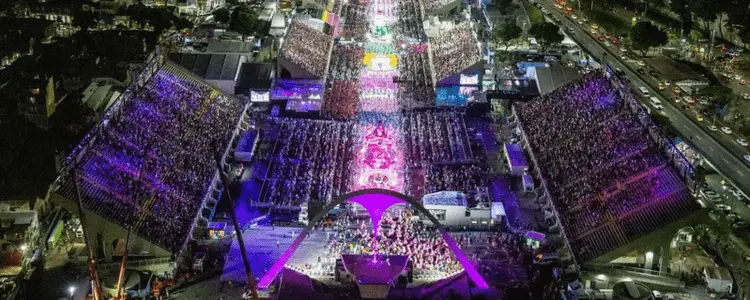

Discover 9 fascinating facts about Rio de Janeiro’s Marquês de Sapucaí, the beating heart of the city during the Brazilian Carnival! It’s where samba schools showcase vibrant talents in a spectacular display of colors, rhythms, and movement. This grand cultural celebration attracts millions each year, immersing spectators in the richness of Brazilian culture.
1. Guess what? There’s an actual school right under the bleachers of Rio de Janeiro’s Sapucaí!
Many people might not be aware that inside Rio de Janeiro’s Sapucaí, often referred to as the Marquês de Sapucaí or the Sambadrome, there is a public school called Escola Municipal Tia Ciata. This space serves as an educational institution during the school year, but during Carnival, the classrooms transform into support areas for the Samba schools. This fusion of education and the Brazilian Carnival parade highlights how deeply rooted Samba culture is in Rio’s daily life.
2. Built-in Record Time
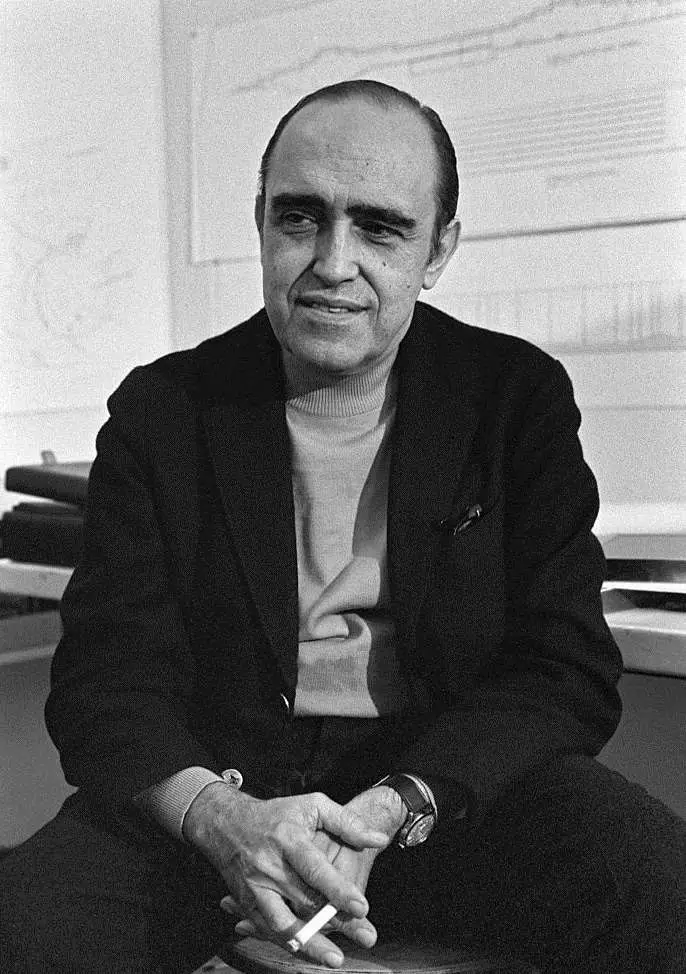
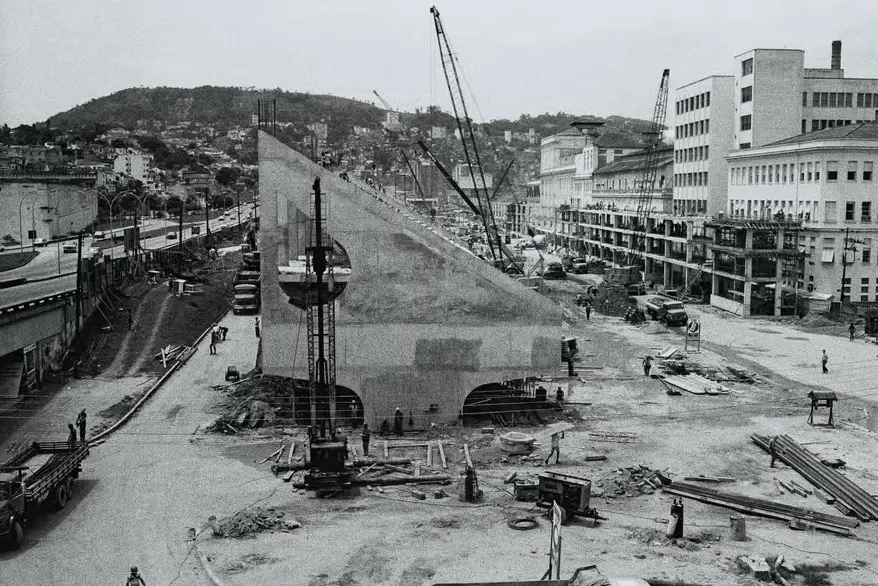
Rio de Janeiro’s Sapucaí was built in just 120 days, which posed a significant challenge in terms of design, planning, and construction of such a large structure within a tight deadline. The architect Oscar Niemeyer was responsible for the project. Upon receiving the assignment, he promptly created his initial sketch within a few days to ensure the structure would be completed in time for the 1984 Carnival.
Further readings: Where To Celebrate Carnival In Brazil – Best Cities & Parties & All About Carnival In Brazil – History, Where To Go & Vocabulary.
3. Superstitions and Rituals Before Entering Rio de Janeiro’s Sapucaí
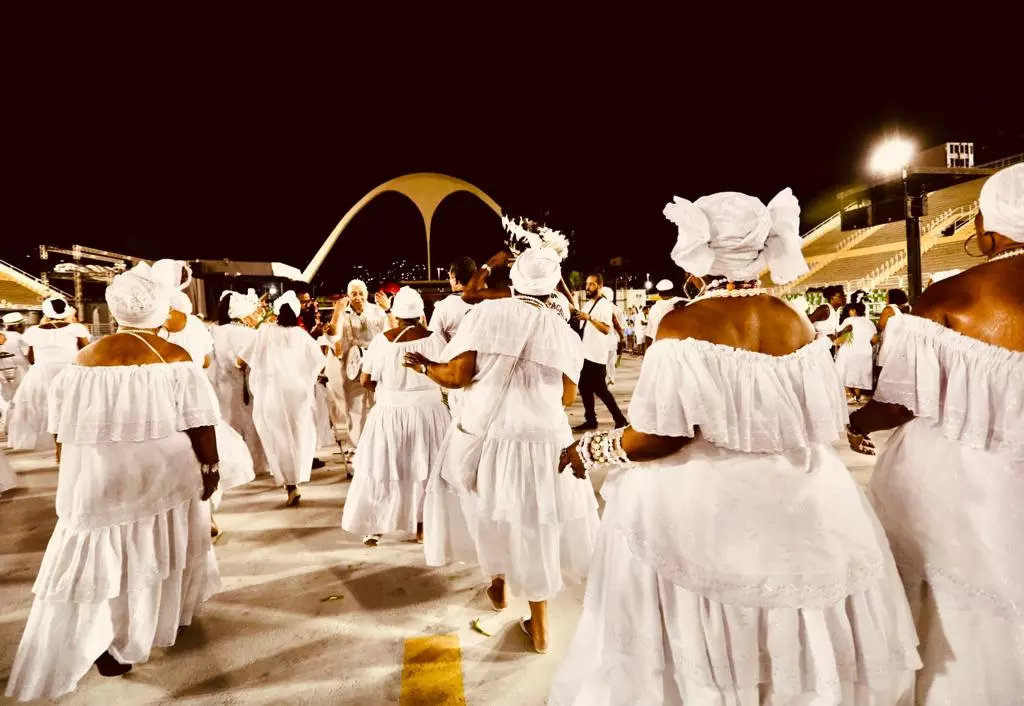
Behind the scenes at the Sambadrome, in the area known as the “concentração,” Carnival meets mysticism. Samba school members often gather for group prayers, bless their instruments, take three jumps before stepping onto the avenue, or sprinkle “água de cheiro” on their feet to ward off bad energy. These rituals highlight the strong vein of popular religiosity and the deep camaraderie that unites participants throughout Carnival.
Watch our series of videos on Carnival: part 1, part 2, part 3.
4. Two Samba Schools Have Already Broken the “Carro da Apoteose”
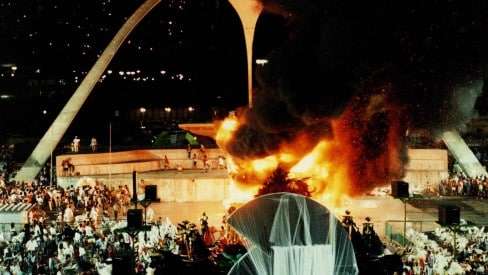
The Arco da Apoteose is a defining feature of the Sambadrome skyline, but it’s also a tight spot for massive Carnival floats to navigate at the end of the parade route. At least twice in Sambadrome history, large alegorias (floats) collided with structures near the arch, causing significant damage.
- 1997 – Mangueira: During the 1997 Carnival, the renowned samba school Mangueira experienced difficulties as their impressive “Carro da Apoteose” struggled to navigate the tight curve around the arch. The float collided with one of the structural elements, resulting in noticeable damage. This incident spurred discussions about the float dimensions and the need for tighter regulations to ensure the safety and integrity of the display.
- 2005 – Salgueiro: In another notable episode, during the 2005 Carnival, the prestigious samba school Salgueiro faced a similar challenge. Their extravagant float, known for its grandeur, hit the structure of the Arco da Apoteose, necessitating emergency repairs. This event prompted a review and subsequent tightening of the guidelines regarding the construction and dimensions of Carnival floats.
5. The VenueTurned into an Olympic Stadium
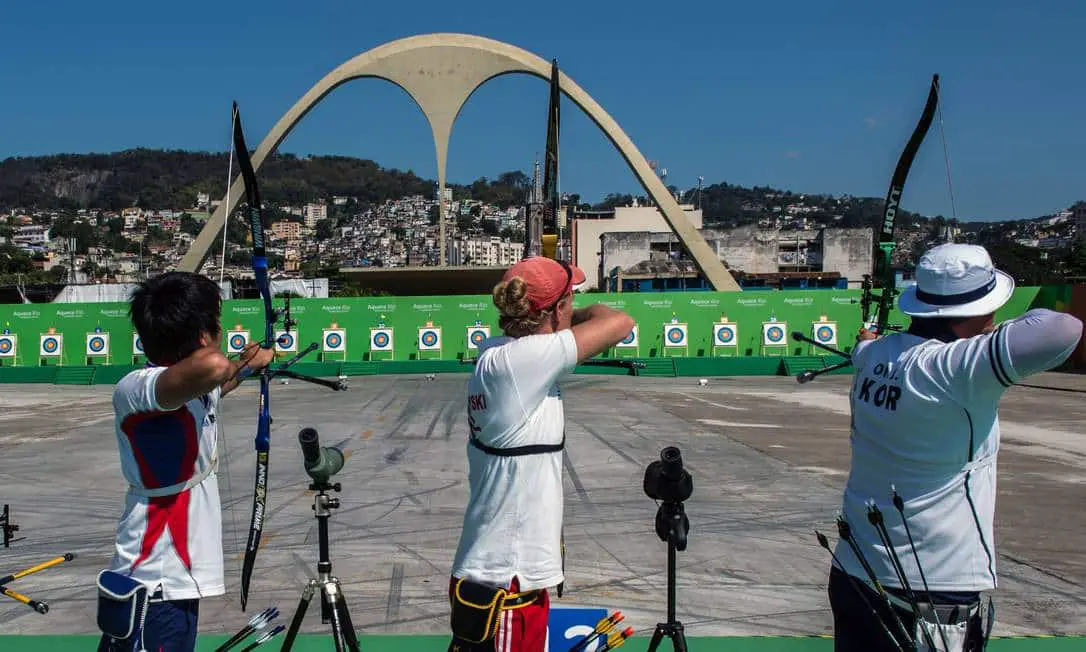
During the 2016 Olympic Games in Rio, Sapucaí in Rio de Janeiro was adapted to host events such as archery and the marathon finish line. The archers were located in Apoteose Square, aiming toward the opposite end of the avenue. To facilitate this, adjustments were made to the installations, security systems, and signage.
The distinctive appearance of Sapucaí, featuring its sculpted concrete stands and the renowned Arco da Apoteose, has turned it into a favored spot for fashion editorials, music videos, and films. This iconic architecture, designed by Oscar Niemeyer and recognized for its graceful curves, has even inspired fashion designers to develop collections infused with Brazilian elements.
6. The Sambadrome Floor Is High-Heel Friendly

Though many parade participants wear sneakers or sturdy shoes, the Sambadrome in Rio also welcomes plenty of fashion-forward spectators, VIP guests, and even dancers wearing high heels. Over the years, the main avenue has undergone several renovations to create a smoother concrete surface with subtle grooves—helping to prevent falls, broken heels, or twisted ankles.
- Fun Detail: In the 1990s, a series of minor accidents pushed officials to invest in a specialized pavement. The goal was to reduce hazards while still allowing rainwater to drain quickly, ensuring safety without compromising the Carnival’s vibrant flow.
Further reading: Top 5: Main Traditional Brazilian Festivals.
7. Thematic and Eccentric VIP Areas
It’s not uncommon to find lounges or VIP areas with strikingly unique themes—ranging from Las Vegas-style casinos to Hollywood movie sets and even zen spaces offering massages and relaxing therapies. These lounges provide exclusive shows, deluxe decor, and gourmet menus. It’s where celebrities and other high-profile personalities—both international and Brazilian—enjoy the festivities during Carnival.
8. There Is an Anti-Echo System Hidden in the Grandstands
One of the lesser-known features of Rio de Janeiro’s Sapucaí is its acoustic design. The sculpted concrete stands include hidden panels and angled surfaces that function as an anti-echo system, channeling sound upward rather than bouncing it back into the avenue or nearby residential areas.
- Fun Detail: In the 1980s, acoustics experts from local universities tested these panels using everything from Samba drumming to rock concert sound checks. The result? Spectators get the full impact of the music inside the Sambadrome, while noise pollution outside the venue is minimized.
9. There’s a “Security Bunker” Beneath the Stands
Beyond the cameras and visible security guards, Rio de Janeiro’s Sapucaí hides a subterranean control room often referred to as a “security bunker.” It’s equipped with real-time monitoring systems and direct communication channels for the police, fire department, and other emergency services.
- Fun Detail: This centralized command center was especially crucial during the 2016 Olympics, ensuring the safety of athletes, staff, and spectators alike. Although it’s typically used during major events, the facility is also employed for routine maintenance checks and preparations leading up to Carnival.
Ready to Experience Rio de Janeiro’s Carnival?
Experience the thrill of Rio de Janeiro’s Carnival at Sapucaí like never before with Caminhos and the samba school Arranco do Engenho de Dentro! Immerse yourself in the pulsating rhythms of samba, make unforgettable memories, and celebrate Carnival at its very heart. Be part of it all!
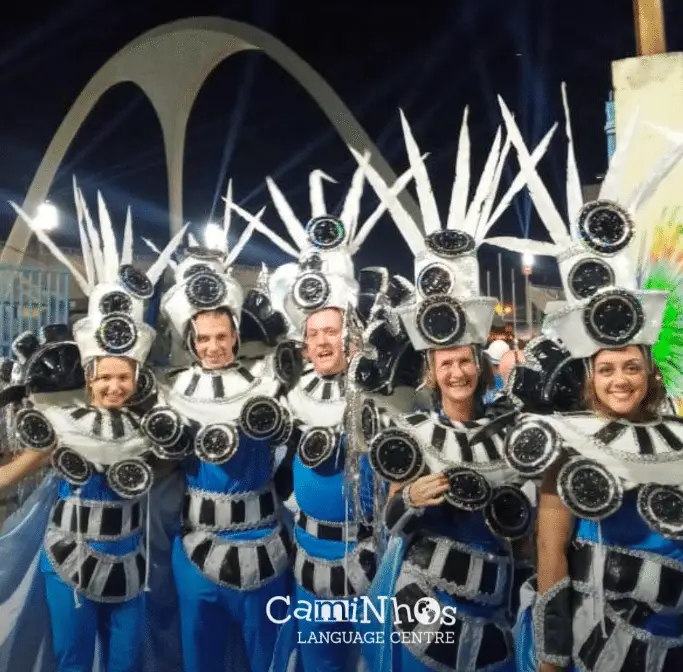
If you are planning on coming to Rio de Janeiro for Carnival someday, how about arriving a few weeks early and learning some basic Portuguese to help you around the city? Caminhos Language Centre offers Portuguese group courses and private lessons to help you get a grasp of street Portuguese and Brazilian culture. We also have a 4-hour Portuguese crash course to help you with the basics.
Caminhos Language Centre is the largest and most exciting Portuguese school in Rio de Janeiro, Brazil. We have an excellent infrastructure, over 15 experienced Brazilian teachers, and a friendly multilingual support staff. We are the only school in Brazil able to offer Portuguese group courses throughout the year on 10 different levels. Moreover, our school also offers more than just Portuguese lessons for foreigners, we offer you the complete Rio de Janeiro experience. Every day we organize 100% free and fun activities for you to socialize and practice your Portuguese. We can also help you with a student visa for Brazil and accommodation in Rio de Janeiro. Follow us on Instagram for some Portuguese tips and news.